


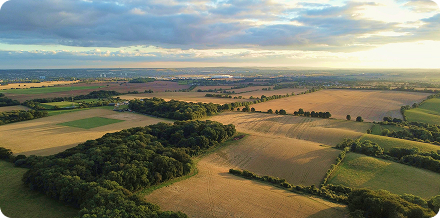


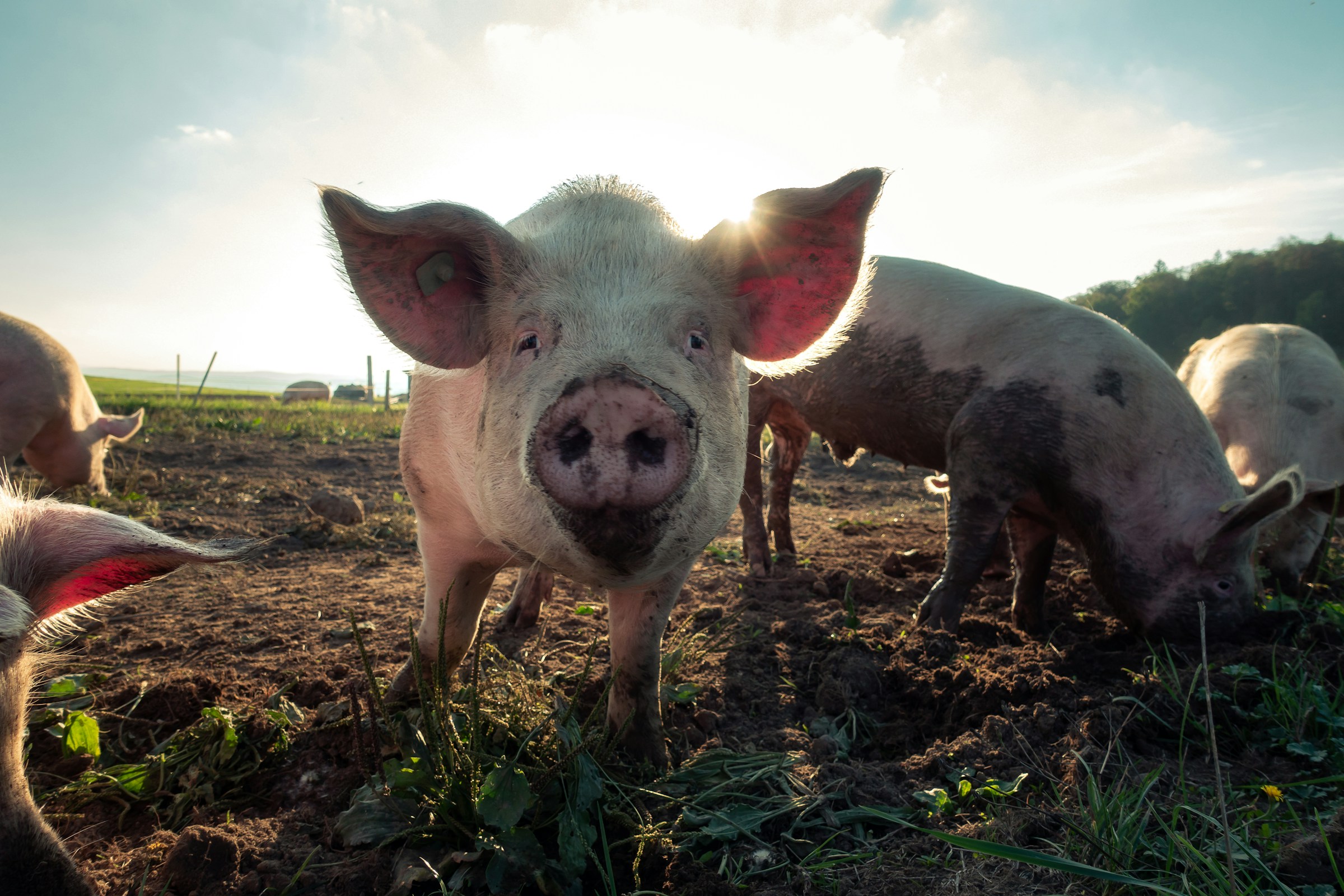


Outdoor pigs account for 50% of the UK sow herd and East Anglia is their heartland. If you have free-draining sandy arable ground in Norfolk or Suffolk, there is a genuine land licence opportunity worth £300 to £400 per hectare sitting under your feet.
Why outdoor pigs and arable land are a natural fit
Outdoor pigs need light, free-draining soil, which is why so many are located in East Anglia. 50% of the British sow herd are kept outdoors in straw-bedded huts, arcs and tents. Nationalpigassociation Norfolk and Suffolk sit at the centre of the UK outdoor pig industry and have done for decades. The country’s largest outdoor pig operation, BQP, is based in Stradbroke in Suffolk and supports in excess of 250 pig farms located primarily in East Anglia, Lincolnshire, Yorkshire and the South West. FarmingUK
This is not a niche or specialist market. It is an established, well-understood system that works well for both sides of the arrangement. The pig producer gets the land they need on a flexible, short-term basis. The arable farmer gets a genuine rotation break, a significant boost to soil fertility, and an income from ground that would otherwise be carrying a lower-value cereal crop. Muck-for-straw deals are also common, where the pig unit helps speed the process of straw removal from fields in summer and the arable staff can move the manure in the winter months when their workload reduces. AHDB
What has changed is that outdoor pig producers are increasingly finding it harder to secure the ground they need on terms that work for their business. The informal networks that used to connect pig producers with willing arable landowners are thinning out. That is exactly the gap OFFA was built to close.
What does a typical outdoor pig land arrangement look like?
A breeding unit requires land on a two-year rotation. Land with good, free-draining sand will command good rental returns. AHDB A typical commercial outdoor breeding unit of around 1,000 sows will need approximately 40 hectares of land in active use, rotating every two years to allow recovery and to meet welfare and environmental requirements. Over a three-year licence period a producer will typically work across 60 hectares or more as the rotation progresses.
On stocking density, experienced producers working on Norfolk and Suffolk soils typically work to a maximum of 25 sows per hectare — the figure recommended by the Defra Code of Recommendations for Pig Welfare and the practical standard used by leading producers across East Anglia. This keeps the system within environmental limits and protects the long-term condition of the land. Heavier soils warrant lower densities still.
In terms of what a landowner can expect to receive, current returns can range from £300 per hectare to over £400 per hectare, and with an average outdoor breeding unit of 1,000 sows requiring 40 hectares, potential income can be very profitable when measured against other cropping incomes. In addition there is also the potential improvement to soil fertility, health and structure, with these benefits lasting up to three years after the pigs have gone. AHDB The latest government farm rents data confirms that Farm Business Tenancy rents for pig, poultry and horticulture enterprises increased by 25% to £381 per hectare in 2024/25 GOV.UK, reflecting genuine and growing demand from producers who need suitable ground.
What type of land do outdoor pig producers need?
The key requirements are light, free-draining sandy or sandy loam soils, preferably Grade 2 or 3 arable land. Heavy clay soils do not work for outdoor pigs. Ground that poaches badly or holds water through winter is not suitable, as welfare standards require pigs to have access to firm, dry lying areas throughout the year.
Fields of 10 hectares or more are preferable, as smaller parcels significantly increase management time and fencing costs. Good road access for feed deliveries and stock movement is important. Flat to gently undulating ground is preferred. Access to a water supply is essential.
The land does not need to be in continuous productive cropping. Arable ground between crops, long-term leys and land currently in lower-value cereal rotations can all be suitable. Many of the best arrangements in Norfolk and Suffolk involve land that benefits most from the fertility injection that a well-managed outdoor pig rotation provides. Pig manure is an excellent source of valuable nutrients and can provide more than adequate amounts of phosphorus and potassium and cut nitrogen fertiliser bills. Farmers Weekly
The three-year licence and why it works
A three-year licence agreement gives the pig producer the certainty they need to move their unit onto the land, install fencing, arcs and water infrastructure, and manage the two-year rotation properly. It gives the landowner a defined term with a clear end date, full return of the land at the end of the arrangement, and the soil fertility benefits built up through the occupation.
This is not a Farm Business Tenancy. It is a licence to occupy for a specific agricultural purpose, meaning the landowner retains full control of the land and its future use. The pig producer brings their own equipment, stock, staff and management. BQP’s contract farming model, for example, works on the basis that contracted farmers provide the buildings, labour, machinery, water and straw, while BQP supplies the pigs, feed and veterinary support. BQP For a simple land licence arrangement the principle is the same — the landowner provides the ground, the pig producer brings everything else.
For Norfolk and Suffolk arable farmers looking at a difficult period of transition away from direct payments, an outdoor pig land licence on suitable ground is one of the more straightforward ways to generate additional income from the land asset without capital investment or long-term commitment.
Offa connects arable landowners with outdoor pig producers
If you have free-draining arable ground in Norfolk or Suffolk and you are open to exploring an outdoor pig land licence, Offa can connect you directly with established commercial pig producers who are actively looking for ground. No agents, no complicated negotiations, a straightforward farmer-to-farmer introduction to explore whether the fit is right.
List your land on Offa and let the right pig producer find you.
